
Modernizing Critical Communications: How STRIKEWERX Enabled a Next-Generation Aircrew Alerting System for AFGSC
Outcomes and Future Impact
NC3 PEO Cost Estimate for G-ASNT Implementation
$254M savings
Follow-On Funding Commitment from the Office of Under Secretary of War
$4.6M to further refine the device
The Challenge
In the high-stakes world of national defense, seconds can mean the difference between mission success and failure. For Air Force Global Strike Command (AFGSC), this reality took on new urgency when their 1970s-era emergency aircrew alerting system, known as the Aircrew Alerting Communications Element, reached the brink of obsolescence. Government officials had already started replacing this system but planned on replacing it with the same technology which wasn’t being modernized. Facing aging hardware, lack of spare parts, and vulnerability to cyber threats, AFGSC needed a transformational solution, not just an upgrade.
“Alerting is critical to the command’s mission. Continuing use of antiquated technology has challenges that could impact response, which could result in mission failure.”
Responsible for delivering vital nuclear command and control orders, the Aircrew Alerting Communications Element ensures Airmen can respond promptly and effectively in the event of an emergency.
AFGSC’s primary concerns regarding this legacy system centered on four critical issues:
Unsustainable, built on long outdated hardware for which replacement parts no longer existed
Lacked critical security protections due to being developed before cyber threats
Slow to deploy and limited in communication reliability
Device failure would put hundreds of nuclear bombers, tankers and reconnaissance aircraft at risk, undermining national security and threatening one-third of the nuclear triad
Enter STRIKEWERX, Cyber Innovation Center (CIC)’s innovation hub for AFGSC.
The Solution
STRIKEWERX launched its challenge event process, a six-month market research and solution development campaign that awards federal funding for companies to address especially complex projects within AFGSC. Beginning with a workshop to define the problem, the team began engaging subject matter experts from industry, academia, and the military to collaboratively outline the needs. Following this, STRIKEWERX began crowdsourcing for potential providers which attracted 48 innovative solutions from across the country. In the case of this new alerting device, 17 companies were selected to showcase their ideas. Ultimately, seven submitted proposals, and a final five were awarded a total of $1.7 million in funding to demonstrate prototype solutions. The selected companies adapted commercial off-the-shelf technology and new, innovative devices for military use, bringing rapid, mission-ready innovation to the field.
STRIKEWERX was instrumental in coordinating with each vendor to organize and execute demonstrations for Air Force stakeholders, keeping leadership engaged and ensuring key features were addressed, ultimately driving interest in adopting a solution into a program of record. By leveraging this approach and CIC’s innovation ecosystem, AFGSC was able to bypass traditional acquisition timelines and accelerate the integration of new technologies.
The Result
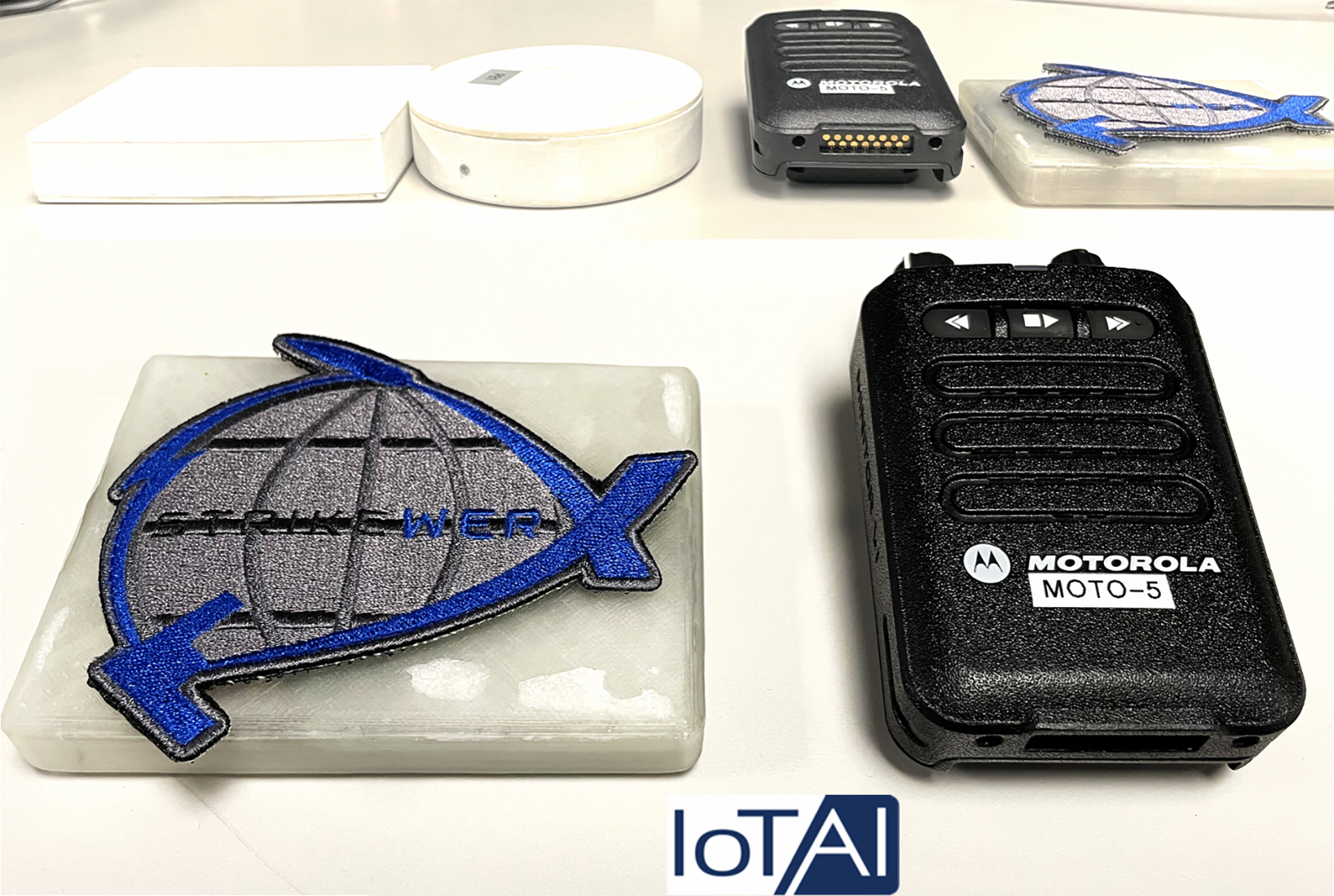
A wearable device from IoT/AI emerged as the standout and introduced a major leap forward in field communications and mission readiness with its ability to securely and reliably deliver critical messages to aircrew personnel. “If this new technology is successful and fielded, it should be able to eliminate the current shortfalls of legacy equipment with an innovative, secure, and multi-faceted messaging capability to reach flight crews anywhere” said Davis.

Key Features:
Secure, jam-resistant communication to protect against cyber threats with Low Probability of Intercept/Detection (LPI/LPD) technology. To protect against physical threats like electromagnetic pulses (EMPs) that often disable electronics, rigorous testing was conducted at a Department of War (DOW) EMP testing facility to ensure performance under extreme conditions or nuclear events.
Fully operational in just 90 seconds, allowing Airmen to act quickly during incoming attacks, ensuring the nation’s bomber leg of the nuclear triad will survive and be able to launch combat missions. Older systems could take hours to set up.
Voice alerts to deliver immediate updates
Location tracking for real-time situational awareness
Status monitoring of connected units
“This challenge exceeded our expectations...The new device demonstrates of the art of the possible for dramatically impacting the automation and time efficiencies of aircrew alerting.”
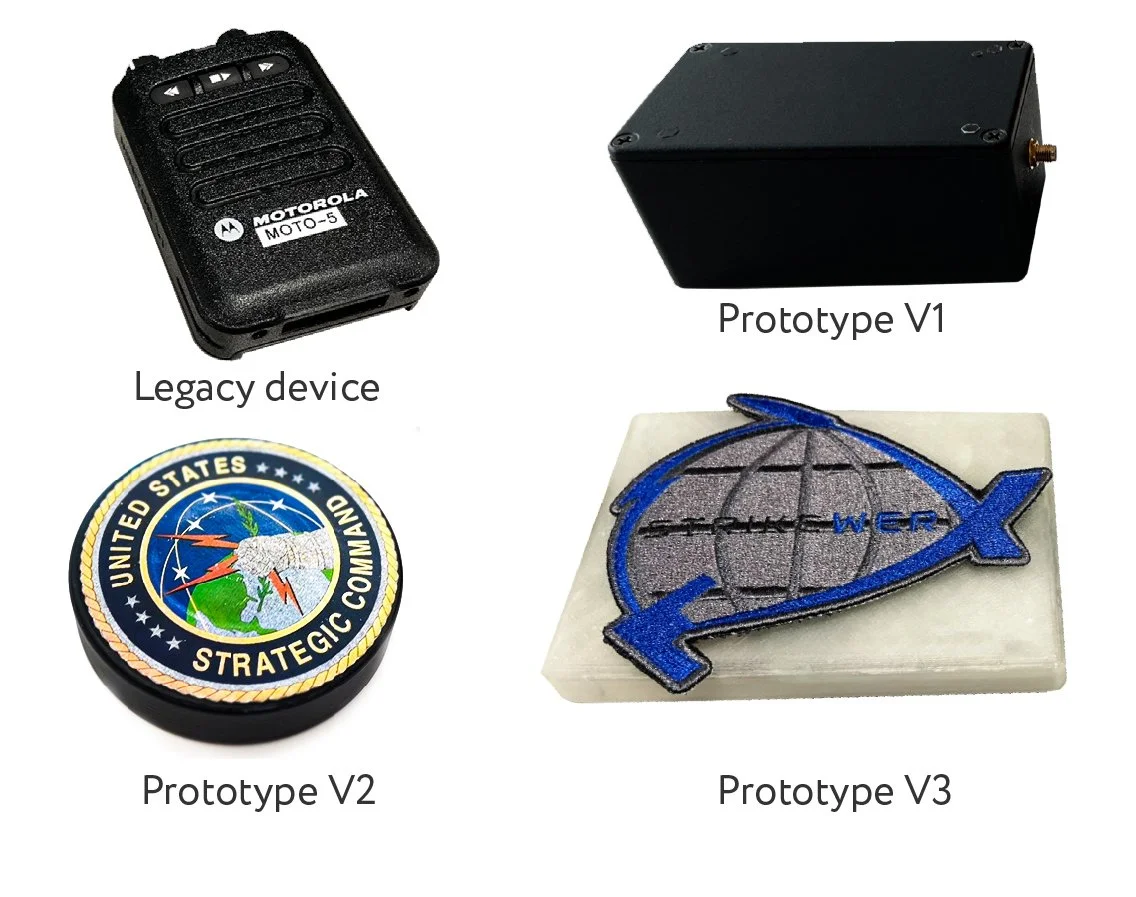
STRIKEWERX also catalyzed expansion of the solution’s reach within the DOW by identifying further users. “Investment by the Office of the Undersecretary of Defense will help us mature the technology for AFGSC-specific applications” Dr. Senft added. MITRE Corporation, a non-profit research and development organization that provides expertise in national defense is now rigorously testing the device at the request of the Nuclear Command, Control and Communications (NC3) Program Executive Office (PEO) to determine if it meets all technical requirements for incorporation into the second phase of the Global Aircrew Strategic Network Terminal (G-ASNT) program. If the wearable device becomes part of the official program of record, it will mark a fundamental shift in aircrew readiness and survivability. What was once a static, one-way pager system vulnerable to attack and failure, is evolving into a dynamic, cyber-resilient communication network, made possible through STRIKEWERX.
“The challenge process was beneficial even before any prototype was designed. From day one, synergies were created with industry partners that had previously not known each other... STRIKEWERX effective and a valued tool in the warfighter’s arsenal.”
Click HERE to visit the STRIKEWERX website and see its impact on areas critical to the U.S. Air Force.